Health and Safety Policy for Landscapers Blackwall
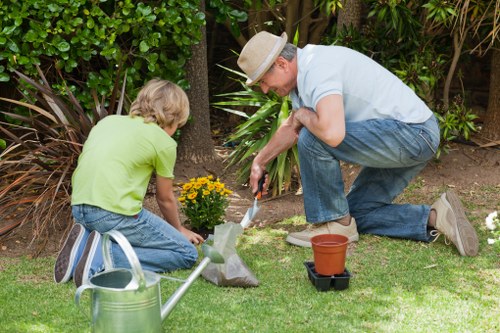 This health and safety policy sets out the standards expected from our landscapers in Blackwall and across our wider service area. It applies to all gardening, grounds maintenance, clearance, and outdoor improvement work carried out by the team. Our commitment is simple: every task must be planned, controlled, and completed in a way that protects workers, clients, the public, and property. We also recognise that rubbish removal and outdoor waste handling are a regular part of landscaping, so these activities must be managed with care, using safe methods and responsible practices.
We believe that effective landscaping safety begins before any tools are lifted. Each job is assessed for hazards such as uneven ground, sharp objects, hidden services, traffic movement, weather conditions, manual handling, and exposure to dust or waste. Where risks are identified, suitable controls are put in place. This may include barrier systems, protective equipment, safer access routes, or changes to the work sequence.
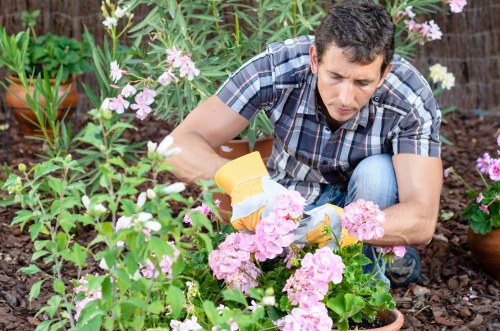 All staff working as Blackwall landscapers are expected to behave professionally and follow safe systems of work at all times. Training is provided so that employees understand how to use machinery, carry materials, lift waste, and work around plants, soil, and building debris without creating unnecessary risk. Supervisors monitor compliance and ensure that everyone understands their responsibilities.
Our Approach to Safe Working
Safety is built into every stage of service delivery. Before starting a project, the site is reviewed to identify hazards and agree on the safest way to proceed. This is especially important on jobs involving garden clearance, hedge cutting, turf removal, and the collection of mixed rubbish. We separate recyclable materials where possible, avoid overfilling waste bags, and ensure that sharp or heavy items are handled appropriately.
Personal protective equipment is selected according to the task. Depending on the work, this may include gloves, safety boots, eye protection, high-visibility clothing, hearing protection, and dust masks. Equipment must be worn correctly and kept in good condition. Damaged items are replaced without delay. Machinery and hand tools are checked before use, and any defect is reported immediately.
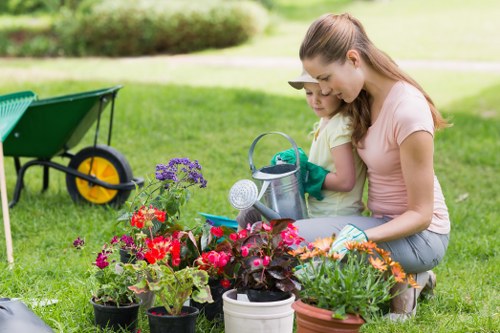 Manual handling is a key concern in landscaping because many jobs involve lifting soil, timber, paving, cuttings, or rubbish clearance materials. Team members are trained to assess the weight and shape of loads before moving them. Where needed, mechanical aids or team lifts are used. Unsafe lifting is not permitted, and workloads are organised to reduce strain and fatigue.
Waste, Rubbish, and Site Tidiness
As a landscaping company serving Blackwall and surrounding areas, we often work on sites where general waste, garden waste, and bulky items need to be removed alongside the main service. All waste must be stored, sorted, and transported safely. Nails, glass, broken fixtures, and other hazardous materials are handled with particular care. Waste should never be left in a way that creates slipping, tripping, fire, or pest risks.
We keep work areas tidy throughout the day, not just at the end of the job. This improves safety and helps protect neighbours, pedestrians, and other site users. Tools are not left in walkways, cuttings are cleared promptly, and bags or loads are stacked so that they cannot fall or spill. If a site becomes unsafe because of weather, access issues, or unexpected rubbish, work may be paused until conditions are made safe.
Our team also follows a responsible approach to environmental protection. Although this policy focuses on safety, good environmental practice supports safer work. Correct segregation of green waste, reusable materials, and general rubbish reduces clutter and limits the chance of injury. Where possible, we use efficient routes and careful loading methods to minimise manual strain and reduce the chance of incidents during transport.
Responsibilities and Controls
Managers are responsible for ensuring that the policy is implemented, reviewed, and updated when needed. They must provide suitable equipment, maintain training records, and make sure that risk assessments are completed for relevant jobs. Workers must take reasonable care of themselves and others, follow instructions, and report hazards, near misses, injuries, or unsafe conditions straight away.
Emergency procedures are part of every safe working plan. First aid supplies are available, and staff know how to respond to cuts, strains, falls, chemical exposure, or incidents involving machinery. If a serious hazard is discovered, work stops until the issue has been dealt with. This includes situations where rubbish has concealed broken materials, unstable surfaces, or dangerous objects.
All landscaping activities should be carried out in a way that is suitable for the site, the task, and the conditions on the day. Good communication between team members helps reduce mistakes and keeps the work flowing safely. This policy is reviewed regularly to ensure it remains effective for our landscaping services, including maintenance, clearance, and rubbish-related work.
Monitoring and Review
 The policy is monitored through site checks, team supervision, incident reporting, and regular review meetings. If a new risk is identified, additional controls are introduced quickly. Any lessons learned from accidents, near misses, or unsafe waste handling are used to improve future working methods. This helps maintain a consistent standard across all projects.
We expect every person involved in our work to support a culture of safety, care, and accountability. Whether completing routine garden maintenance or a one-off clearance job, the same standards apply. Careful planning, tidy workspaces, proper lifting, and correct waste handling are essential parts of how our Blackwall landscaping team operates.
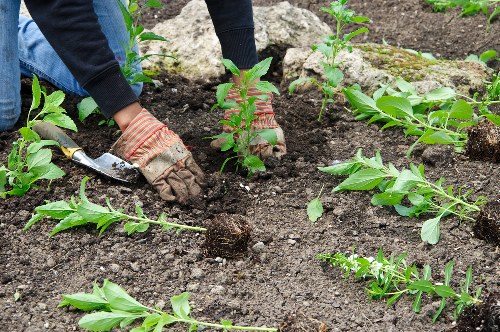 By following this policy, our landscapers Blackwall service can deliver practical, efficient, and safe results for clients while reducing risks to people and property. Safety is not an extra step; it is part of every task, from the first inspection to the final tidy-up.

